
Hypertension: Diagnosis and Management
Key points
- Hypertension: persistently raised arterial blood pressure - clinic readings of 140/90 mmHg or above, confirmed by ambulatory or home monitoring.
- Why confirm: clinic readings overestimate. ABPM or HBPM excludes white coat hypertension, and the diagnostic threshold on those is lower at 135/85.
- Cause: primary (essential) in 90-95%. Always consider secondary causes in the young, the resistant and the abrupt.
- Symptoms: almost always none. It is found on screening, or through the damage it has already done.
- Assessment: look for end-organ damage - fundoscopy, urine ACR, ECG for LVH, U&Es - and calculate QRISK3.
- Treatment algorithm: step 1 is an ACE inhibitor or ARB under 55 or with type 2 diabetes, and a calcium channel blocker at 55 or over or in Black African or African-Caribbean patients.
- Targets: below 140/90 in clinic under 80 years, and below 150/90 at 80 and over.
- Severe hypertension: 180/120 or above needs same-day assessment if there is retinal haemorrhage, papilloedema, or life-threatening symptoms.
Introduction
Hypertension is persistently raised arterial blood pressure. It is the single largest modifiable risk factor for cardiovascular disease worldwide, and it causes no symptoms until it has already done damage - which is why it is found by measurement rather than by complaint.1
It affects around a quarter of UK adults, rising to over half of people above 60. A substantial proportion are undiagnosed, and of those diagnosed many are not controlled to target.
The relationship with risk is continuous - there is no threshold below which lower is not better - so the numbers below are pragmatic cut-offs for intervention rather than a biological boundary between healthy and diseased.
Measurement and diagnosis
How the blood pressure is measured matters as much as the number, and technique is a common OSCE station.
- Patient seated and rested for at least 5 minutes, arm supported at heart level, legs uncrossed, not talking
- Use a correctly sized cuff - a cuff that is too small gives a falsely high reading
- Measure in both arms at the first assessment. If the difference exceeds 15 mmHg, use the arm with the higher reading thereafter and consider peripheral arterial disease
- If the first reading is 140/90 or above, take a second, and a third if they differ substantially. Record the lower of the last two.
- Check for postural hypotension in people with type 2 diabetes, symptoms of postural hypotension, or aged 80 and over - measure lying or seated, then standing after at least 1 minute
If the clinic reading is 140/90 or above, do not diagnose on that alone. Offer ambulatory blood pressure monitoring (ABPM) to confirm, or home blood pressure monitoring (HBPM) if ABPM is declined or not tolerated.1
| Stage | Clinic BP | ABPM or HBPM average |
|---|---|---|
| Stage 1 | 140/90 to 159/99 | 135/85 to 149/94 |
| Stage 2 | 160/100 to 179/119 | 150/95 or above |
| Stage 3 (severe) | Systolic 180 or above, or diastolic 120 or above | Treat without waiting for confirmation |
Two related patterns are worth knowing. White coat hypertension is a raised clinic reading with normal ambulatory readings - it still carries some excess risk and warrants follow-up. Masked hypertension is the reverse: normal in clinic, raised at home, and easily missed.
Aetiology
Around 90-95% of cases are primary (essential) hypertension, with no single identifiable cause - the product of genetic predisposition, age-related arterial stiffening, salt intake, obesity, alcohol and inactivity.
The remaining 5-10% are secondary, and identifying them matters because many are curable.
| System | Causes |
|---|---|
| Renal | Chronic kidney disease, glomerulonephritis, polycystic kidney disease, renal artery stenosis - together the commonest secondary cause |
| Endocrine | Primary aldosteronism (Conn syndrome), Cushing syndrome, phaeochromocytoma, acromegaly, thyroid disease, hyperparathyroidism |
| Vascular | Coarctation of the aorta - radio-femoral delay, and a difference between arm and leg blood pressure |
| Drugs | Combined oral contraceptive, corticosteroids, NSAIDs, ciclosporin, venlafaxine, sympathomimetics, liquorice, cocaine and amphetamines |
| Other | Obstructive sleep apnoea; pregnancy (gestational hypertension and pre-eclampsia) |
Clinical features
Uncomplicated hypertension is asymptomatic. It is not a cause of headache, nosebleeds or dizziness at the levels usually encountered, and telling a patient that their headache is due to their blood pressure is generally wrong.
Symptoms, when present, point to one of three things and should each prompt a specific line of enquiry:
- A secondary cause - episodic sweating and palpitations (phaeochromocytoma), weakness and polyuria (aldosteronism), weight gain and easy bruising (Cushing syndrome), snoring and daytime somnolence (sleep apnoea)
- End-organ damage - chest pain, breathlessness, reduced exercise tolerance, visual disturbance, or focal neurological symptoms
- Severe or accelerated hypertension - headache, visual disturbance, confusion, seizures, or breathlessness
Assessment for end-organ damage
Everyone with newly diagnosed hypertension needs assessment for damage already done and for overall cardiovascular risk. This determines whether and how urgently to treat.1
| Test | Looking for |
|---|---|
| Fundoscopy | Hypertensive retinopathy - arteriovenous nipping, silver wiring, haemorrhages, exudates, papilloedema |
| Urine dipstick and albumin:creatinine ratio | Haematuria and albuminuria - hypertensive nephropathy or a renal cause |
| U&Es and eGFR | Chronic kidney disease, and hypokalaemia suggesting aldosteronism |
| 12-lead ECG | Left ventricular hypertrophy, prior infarction, atrial fibrillation |
| HbA1c | Coexisting diabetes |
| Lipid profile | Cardiovascular risk assessment |
| QRISK3 | 10-year cardiovascular risk, which determines treatment in stage 1 |
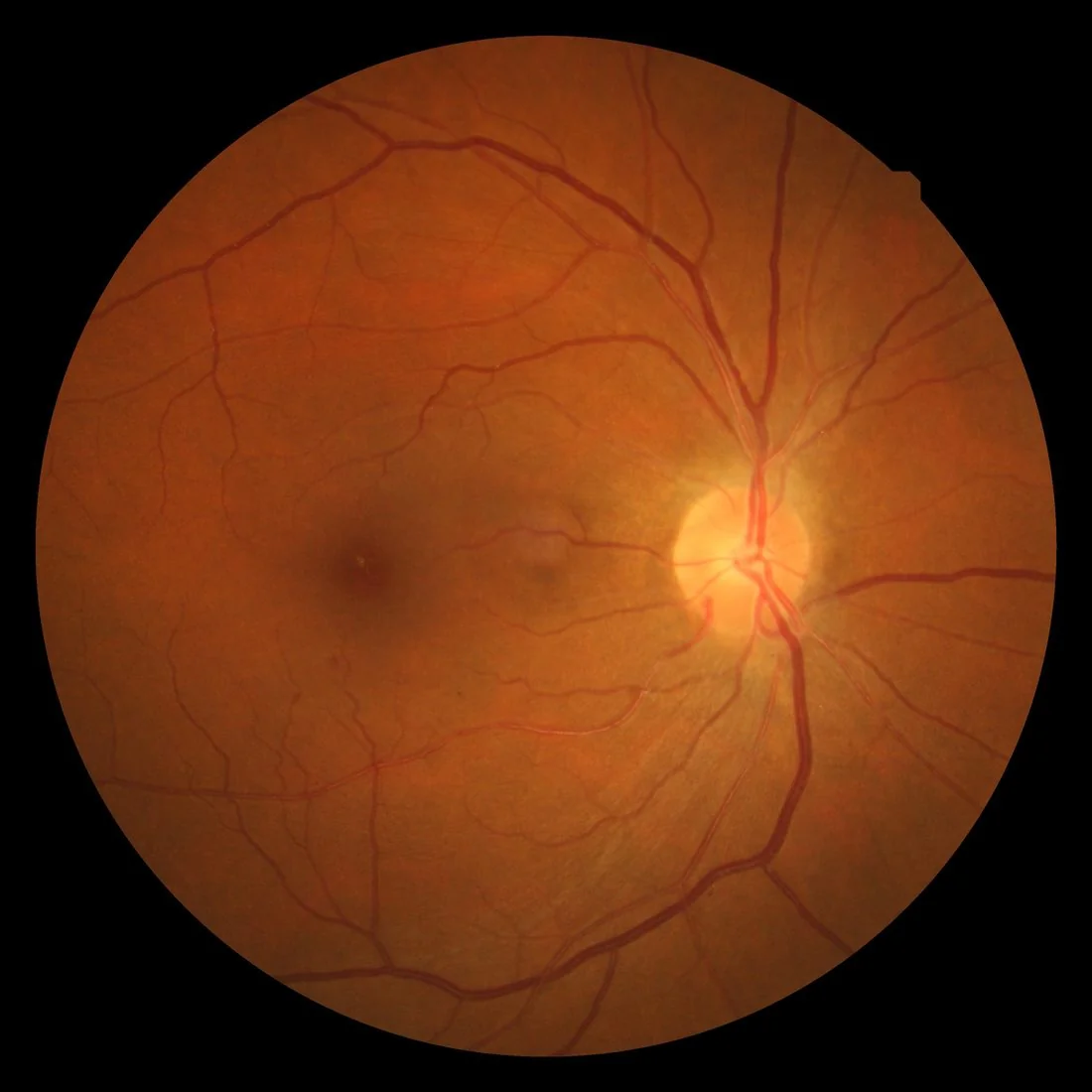
The Keith-Wagener classification grades retinopathy: I - arteriolar narrowing and silver wiring; II - arteriovenous nipping; III - flame haemorrhages, cotton wool spots and hard exudates; IV - papilloedema. Grades III and IV indicate accelerated hypertension and demand same-day assessment.
Management
Who to treat
| Situation | Action |
|---|---|
| Stage 1, under 80, with target organ damage, established cardiovascular disease, renal disease, diabetes, or QRISK3 of 10% or more | Offer drug treatment |
| Stage 1, under 60, with QRISK3 below 10% | Consider treatment - QRISK underestimates lifetime risk in younger people |
| Stage 1, aged 80 or over | Treat if clinic BP is above 150/90, taking frailty and comorbidity into account |
| Stage 2, any age | Offer drug treatment |
| Clinic BP 180/120 or above | Start treatment immediately, without waiting for ABPM |
Lifestyle advice is offered to everyone regardless: a diet low in salt (under 6 g daily) and rich in fruit and vegetables, regular exercise, weight reduction, alcohol within 14 units weekly, reduced caffeine, and smoking cessation. These are not a delaying tactic - salt reduction and weight loss produce clinically meaningful falls in blood pressure.
The drug algorithm
NICE uses an A / C / D framework, where A is an ACE inhibitor or ARB, C is a calcium channel blocker, and D is a thiazide-like diuretic.1
| Step | Treatment |
|---|---|
| 1 | Under 55, or type 2 diabetes at any age or ethnicity: ACE inhibitor or ARB (A). 55 or over without diabetes, or Black African or African-Caribbean family origin at any age without diabetes: calcium channel blocker (C) |
| 2 | A + C. Alternatives are A + D or C + D |
| 3 | A + C + D - a thiazide-like diuretic such as indapamide, not bendroflumethiazide |
| 4 | Resistant hypertension. Confirm adherence and check potassium: if 4.5 mmol/L or below add low-dose spironolactone; if above 4.5 add an alpha-blocker or beta-blocker. Refer if still uncontrolled. |
Targets and monitoring
| Group | Clinic target | ABPM/HBPM target |
|---|---|---|
| Under 80 | Below 140/90 | Below 135/85 |
| 80 and over | Below 150/90 | Below 145/85 |
| Type 1 diabetes | Below 135/85 (below 130/80 with albuminuria or metabolic syndrome) | - |
| CKD with ACR 70 mg/mmol or above | Below 130/80 | - |
Review at least annually once controlled, checking blood pressure, renal function, adherence and lifestyle. Check U&Es 1-2 weeks after starting or increasing an ACE inhibitor, ARB or diuretic.
Severe hypertension
A clinic reading of 180/120 or above requires same-day specialist assessment if there is:
- Retinal haemorrhage or papilloedema - accelerated (malignant) hypertension
- Life-threatening symptoms - new confusion, chest pain, signs of heart failure, or acute kidney injury
- Suspected phaeochromocytoma - labile blood pressure, postural hypotension, headache, palpitations, pallor, sweating
Otherwise, arrange investigations for end-organ damage as soon as possible. If damage is found, start treatment immediately without waiting for ABPM; if not, repeat the clinic measurement within 7 days.
Complications
Hypertension damages arteries throughout the body, and the complications follow the vascular bed involved.
- Cerebrovascular - ischaemic and haemorrhagic stroke, transient ischaemic attack, vascular dementia. Hypertension is the single most important modifiable risk factor for stroke.
- Cardiac - ischaemic heart disease, left ventricular hypertrophy, heart failure (both HFrEF and HFpEF), and atrial fibrillation
- Renal - hypertensive nephropathy and progressive chronic kidney disease; hypertension is both cause and consequence
- Ocular - hypertensive retinopathy, retinal vein and artery occlusion
- Vascular - peripheral arterial disease, aortic aneurysm and aortic dissection
Drug side effects also matter for adherence, and are worth pre-empting in the consultation: a dry cough with ACE inhibitors (switch to an ARB), ankle oedema and flushing with dihydropyridine calcium channel blockers, hyponatraemia and gout with thiazide-like diuretics, and gynaecomastia with spironolactone.
Red flags
Prognosis
Untreated hypertension shortens life substantially, and the relationship between pressure and risk is continuous and steep. Above 115/75 mmHg, each 20 mmHg rise in systolic pressure roughly doubles the risk of death from stroke or ischaemic heart disease.3
Treatment works, and the benefit is large. A reduction of 10 mmHg systolic is associated with roughly a 20% reduction in major cardiovascular events, a 27% reduction in stroke and a 28% reduction in heart failure.4 These are among the largest effects available from any preventive intervention in medicine.
The limiting factor is not the drugs but adherence and follow-up. Because the condition is asymptomatic and the treatment can cause side effects, a substantial proportion of patients stop within a year. Explaining that the tablets treat a risk rather than a symptom - and reviewing tolerability rather than only the number - is a large part of managing hypertension well.
References
- NICE NG136. Hypertension in adults: diagnosis and management. 2019, updated 2023. Available here
- NICE Clinical Knowledge Summaries. Hypertension - not diabetic. Available here
- Lewington S, Clarke R, Qizilbash N et al. Age-specific relevance of usual blood pressure to vascular mortality. The Lancet. 2002. Available here
- Ettehad D, Emdin CA, Kiran A et al. Blood pressure lowering for prevention of cardiovascular disease and death. The Lancet. 2016. Available here
- NICE NG203. Chronic kidney disease: assessment and management. 2021. Available here
- NICE NG238. Cardiovascular disease: risk assessment and reduction, including lipid modification. 2023. Available here
- BNF. Amlodipine - indications and dosing. Available here
- British and Irish Hypertension Society. Blood pressure measurement resources. Available here
This article is written for revision and education. It is not clinical guidance and must not be used to make decisions about the care of a patient. Always check current NICE guidance and local protocols.