
Type 2 Diabetes: Cardiovascular Risk First, Then Glucose
Key points
- Type 2 diabetes: insulin resistance combined with progressive beta cell failure, producing relative rather than absolute insulin deficiency.
- Scale: around 90% of all diabetes - roughly 4.5 million diagnosed in the UK, with perhaps a further million undiagnosed.
- The key change in NICE guidance: assess cardiovascular status at diagnosis. Established atherosclerotic disease or heart failure means offering an SGLT2 inhibitor, regardless of HbA1c.
- First-line drug: standard-release metformin, titrated slowly to limit gastrointestinal effects.
- HbA1c targets: 48 mmol/mol on lifestyle alone or a drug that does not cause hypoglycaemia; 53 mmol/mol on a drug that does, such as a sulfonylurea.
- SGLT2 inhibitors: reduce cardiovascular events, heart failure admissions and progression of kidney disease. Watch for euglycaemic ketoacidosis and genital infection.
- GLP-1 receptor agonists: produce substantial weight loss and cardiovascular benefit, and NICE requires an HbA1c fall of at least 11 mmol/mol and 3% weight loss at 6 months to continue them.
- Remission is achievable: substantial weight loss through total diet replacement produced remission in almost half of participants at one year in the DiRECT trial.
Introduction
Type 2 diabetes is a progressive metabolic disorder characterised by insulin resistance in muscle, liver and adipose tissue together with declining beta cell function. Unlike type 1 diabetes the insulin deficiency is relative rather than absolute, which is why ketoacidosis is uncommon and why the condition can be controlled for years without insulin.
It accounts for around 90% of all diabetes. Roughly 4.5 million people in the UK are diagnosed and perhaps a further million are living with it undetected, and prevalence continues to rise with obesity and an ageing population. It is now diagnosed with increasing frequency in adolescents and young adults, in whom it behaves more aggressively than in later life.
The single most important reframing of the last decade is this: type 2 diabetes is a cardiovascular and renal disease as much as a glycaemic one. The majority of people with type 2 diabetes die of cardiovascular disease, and modern treatment is chosen at least as much for its effect on the heart and kidneys as for its effect on HbA1c.
Risk factors
- Obesity, particularly central adiposity - the dominant modifiable factor. Waist circumference predicts risk better than BMI.
- Physical inactivity
- Age - risk rises from 40 in white European populations, and from 25 in South Asian, African-Caribbean, Black African and Chinese populations
- Ethnicity - up to six times more common in people of South Asian origin, and occurring at a lower BMI and younger age
- Family history - concordance in identical twins approaches 90%, considerably higher than in type 1
- Previous gestational diabetes - around half develop type 2 diabetes within 10 years
- Polycystic ovary syndrome
- Hypertension, dyslipidaemia and metabolic syndrome
- Socioeconomic deprivation - type 2 diabetes is around twice as common in the most deprived quintile
- Drugs - corticosteroids, atypical antipsychotics (especially olanzapine and clozapine), thiazides, statins (small effect) and tacrolimus
- Low birth weight and gestational undernutrition
Pathophysiology
- Insulin resistance develops first, driven by visceral adiposity and ectopic fat in liver and muscle. Free fatty acids and inflammatory cytokines from adipose tissue impair insulin signalling.
- Beta cells compensate by increasing insulin secretion, keeping glucose normal for years - the phase of prediabetes
- Beta cell function progressively fails, and by the time diabetes is diagnosed roughly half of beta cell function has already been lost. Decline continues at around 4% a year, which is why treatment almost always needs intensifying over time.
- Additional contributors - reduced incretin effect, inappropriately high glucagon secretion, increased renal glucose reabsorption and unrestrained lipolysis. Each of these is the target of a modern drug class.
Clinical features and diagnosis
Presentation
- Frequently asymptomatic - many are found on routine screening or an incidental blood test
- Osmotic symptoms - polyuria, polydipsia and nocturia, usually milder and more insidious than in type 1
- Fatigue
- Recurrent infections - candidal balanitis and vulvovaginitis, skin infections, urinary tract infections
- Blurred vision
- Slow-healing wounds and foot ulceration
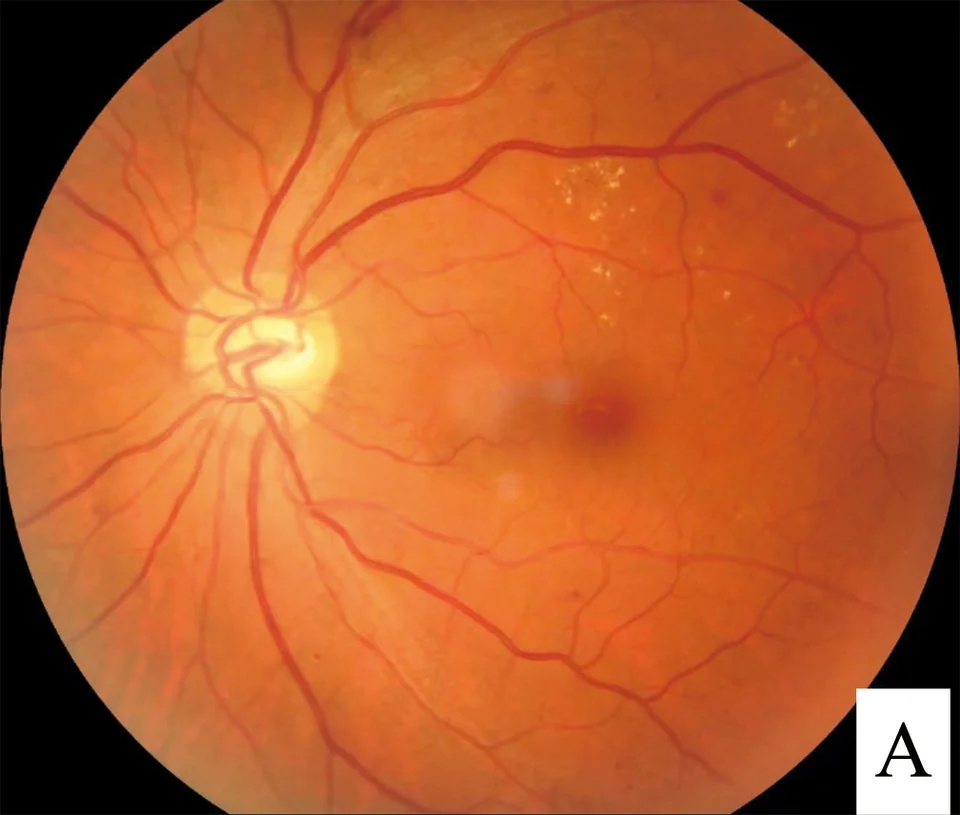
- A complication at presentation - around 20% already have retinopathy at diagnosis, reflecting years of undetected hyperglycaemia. Neuropathy and established cardiovascular or renal disease are also common at diagnosis.
- Hyperosmolar hyperglycaemic state - the emergency presentation, with profound dehydration and reduced consciousness
Examination
- BMI and waist circumference, and blood pressure
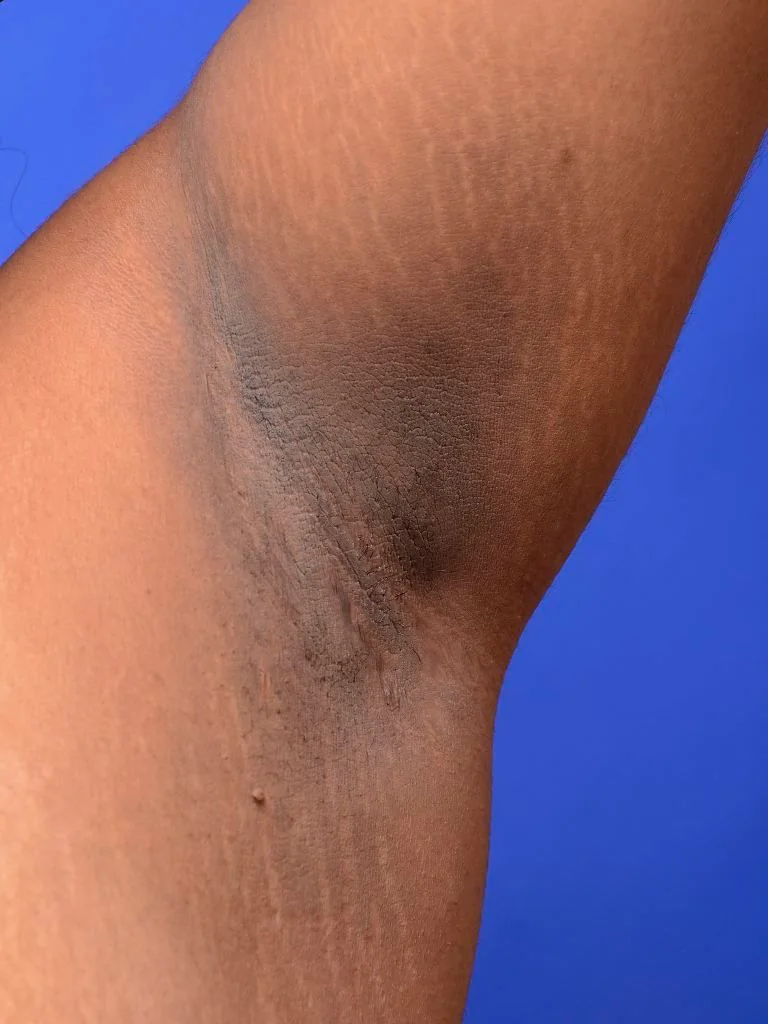
- Acanthosis nigricans - velvety hyperpigmented thickening in the axillae, neck and groin, a visible marker of insulin resistance
- Skin tags, and features of PCOS in women
- Feet - sensation, pulses, deformity, ulceration and callus
- Fundoscopy or retinal photography
- Signs of a secondary cause - the moon face and striae of Cushing syndrome, the coarse features of acromegaly, the pigmentation of haemochromatosis
Diagnosis
| Test | Normal | Prediabetes | Diabetes |
|---|---|---|---|
| HbA1c | Below 42 mmol/mol | 42-47 mmol/mol | 48 mmol/mol or above |
| Fasting glucose | Below 6.1 mmol/L | 6.1-6.9 mmol/L (impaired fasting glucose) | 7.0 mmol/L or above |
| 2-hour OGTT glucose | Below 7.8 mmol/L | 7.8-11.0 mmol/L (impaired glucose tolerance) | 11.1 mmol/L or above |
| Random glucose | - | - | 11.1 mmol/L or above with symptoms |
- One abnormal result diagnoses diabetes in a symptomatic patient; two are required if asymptomatic
- HbA1c is the usual test in suspected type 2 diabetes, but is invalid in the circumstances listed in the type 1 diabetes article - notably rapid onset, pregnancy, anaemia, haemoglobinopathy and chronic kidney disease
- Screening is offered to at-risk adults through the NHS Health Check, and risk can be quantified with the Leicester Risk Assessment or QDiabetes tools
- Reconsider the diagnosis if the patient is lean, ketotic, under 40, has a strong autoimmune history or fails to respond to oral agents - think type 1 diabetes, LADA, MODY or pancreatic disease
Non-pharmacological management
Lifestyle intervention is not a preliminary step before the real treatment - it is the only intervention that addresses the underlying cause, and it is the only one capable of producing remission.
- Structured education at diagnosis - a group programme such as DESMOND, offered to every newly diagnosed patient and their family
- Dietary advice - individualised, emphasising high-fibre, low-glycaemic-index carbohydrate, reduced saturated fat and controlled portions. There is no single mandated diet; low-carbohydrate, Mediterranean and calorie-restricted approaches all have evidence.
- Weight loss - a 5 to 10% reduction produces meaningful improvement in glycaemia, blood pressure and lipids
- Physical activity - at least 150 minutes of moderate activity a week plus resistance exercise, which improves insulin sensitivity independently of weight loss
- Smoking cessation - the single largest modifiable cardiovascular risk factor in this population
- Alcohol within recommended limits, with awareness of hypoglycaemia risk on sulfonylureas or insulin
- Bariatric surgery - highly effective, producing remission in a majority. Consider in line with obesity guidance, and expedite assessment for people with a BMI of 35 or above with recent-onset type 2 diabetes.
Drug treatment
NICE restructured this algorithm substantially in 2022. The essential change is that cardiovascular and renal status is assessed at diagnosis and drives drug choice, rather than treatment being escalated purely on HbA1c.1
Step 1: assess cardiovascular risk, then start metformin
| Cardiovascular status | Treatment |
|---|---|
| Chronic heart failure or established atherosclerotic cardiovascular disease | Metformin plus an SGLT2 inhibitor with proven cardiovascular benefit. Establish metformin tolerance first, then add the SGLT2 inhibitor. If metformin is contraindicated, give the SGLT2 inhibitor alone. |
| High cardiovascular risk - QRISK2 above 10%, or elevated lifetime risk in adults under 40 | Metformin, and consider adding an SGLT2 inhibitor |
| Neither of the above | Metformin alone, titrated slowly |
| Metformin contraindicated or not tolerated | SGLT2 inhibitor if there is heart failure or atherosclerotic disease; otherwise a DPP-4 inhibitor, pioglitazone or sulfonylurea |
| Symptomatic hyperglycaemia at presentation | Rescue therapy with insulin or a sulfonylurea, reviewing once glucose is controlled |
Step 2: targets and intensification
| Situation | Target |
|---|---|
| Lifestyle alone, or a single drug not associated with hypoglycaemia | 48 mmol/mol (6.5%) |
| A drug associated with hypoglycaemia - sulfonylurea or insulin | 53 mmol/mol (7.0%) |
| HbA1c rises to 58 mmol/mol on a single agent | Reinforce lifestyle, review adherence, intensify treatment and aim for 53 mmol/mol |
| Frailty, limited life expectancy, significant comorbidity or high hypoglycaemia risk | Relax the target and document the reasoning |
Intensification adds a second and then a third agent from the classes below. Dual therapy, then triple therapy, then insulin or a GLP-1 receptor agonist is the broad sequence, but the choice at each step should reflect comorbidity, hypoglycaemia risk, weight and patient preference rather than following a fixed order.
The drug classes
| Class | Mechanism | Weight | Hypo risk | Key points |
|---|---|---|---|---|
| Biguanide - metformin | Reduces hepatic gluconeogenesis, increases peripheral insulin sensitivity | Neutral or loss | No | First line. GI upset (use modified release), B12 deficiency with long-term use, rare lactic acidosis. Review dose if eGFR below 45, stop if below 30. Withhold during dehydrating illness and around iodinated contrast. |
| Sulfonylurea - gliclazide | Closes beta cell KATP channels, stimulating insulin release | Gain | Yes | Rapid HbA1c reduction and cheap, but causes hypoglycaemia and weight gain. Beware in the elderly and in renal impairment. Has driving implications. |
| DPP-4 inhibitor - sitagliptin, linagliptin | Prevents breakdown of endogenous GLP-1 | Neutral | No | Well tolerated and safe in renal impairment (linagliptin needs no dose adjustment). Modest efficacy. Rare pancreatitis. |
| Pioglitazone | PPAR-gamma agonist, increasing insulin sensitivity | Gain | No | Contraindicated in heart failure (fluid retention), and in bladder cancer or unexplained haematuria. Causes fracture risk in women and hepatotoxicity. Beneficial in fatty liver disease. |
| SGLT2 inhibitor - dapagliflozin, empagliflozin | Blocks renal glucose reabsorption, causing glycosuria | Loss | No | Cardiovascular and renal protection. Genital candidiasis, urinary infection, volume depletion, euglycaemic DKA, and rare Fournier's gangrene. Stop during acute illness. |
| GLP-1 receptor agonist - liraglutide, semaglutide, dulaglutide | Incretin analogue - stimulates glucose-dependent insulin release, suppresses glucagon, slows gastric emptying, promotes satiety | Marked loss | No | Cardiovascular benefit and substantial weight loss. Nausea and vomiting, pancreatitis, gallstones. Avoid in personal or family history of medullary thyroid carcinoma or MEN 2. Injectable, except oral semaglutide. |
| Insulin | Replaces insulin | Gain | Yes | NPH (isophane) insulin once or twice daily is first line in type 2 diabetes. Continue metformin. Requires glucose monitoring, education and DVLA notification. |
Managing the whole cardiovascular risk
Glucose lowering reduces microvascular complications substantially and macrovascular ones modestly. Blood pressure and lipid management, and smoking cessation, prevent more deaths than glycaemic control does, and should be pursued at least as vigorously.
| Domain | Target and treatment |
|---|---|
| Blood pressure | Clinic target below 140/90 mmHg (below 135/85 on ABPM or home readings), and below 130/80 where there is chronic kidney disease with an ACR of 70 mg/mmol or more. First line is an ACE inhibitor or ARB; in people of Black African or African-Caribbean family origin, an ARB in preference to an ACE inhibitor. |
| Lipids | Atorvastatin 20 mg for primary prevention where the QRISK3 score is 10% or above - which includes most people with type 2 diabetes over 40. Atorvastatin 80 mg for secondary prevention. Aim for a greater than 40% reduction in non-HDL cholesterol. |
| Kidneys | Annual urinary ACR and eGFR. Start an ACE inhibitor or ARB if the ACR is 3 mg/mmol or above, whatever the blood pressure. Add an SGLT2 inhibitor for chronic kidney disease with albuminuria, and consider finerenone in diabetic kidney disease with persistent albuminuria on maximal ACE inhibitor or ARB. |
| Antiplatelets | Not recommended for primary prevention in diabetes. Aspirin or clopidogrel only for established cardiovascular disease. |
| Eyes | Annual digital retinal screening from diagnosis |
| Feet | Annual foot check with risk stratification, and same-day referral for any active problem |
| Immunisation | Annual influenza, plus pneumococcal and COVID-19 vaccination |
Complications
Acute
- Hyperosmolar hyperglycaemic state - marked hyperglycaemia with profound dehydration and hyperosmolality, typically without significant ketosis. Carries a mortality of 10 to 20%, considerably higher than DKA.
- Hypoglycaemia - from sulfonylureas and insulin, and a particular hazard in older patients and renal impairment
- Euglycaemic DKA - on SGLT2 inhibitors
- Lactic acidosis - rare, with metformin in the context of acute kidney injury or sepsis
Microvascular
- Retinopathy - background, pre-proliferative, proliferative, and maculopathy. Treated with laser photocoagulation and intravitreal anti-VEGF agents.
- Nephropathy - the commonest cause of end-stage renal disease in the UK
- Neuropathy - distal symmetrical sensory polyneuropathy is the commonest, alongside autonomic neuropathy, mononeuropathies and diabetic amyotrophy
Macrovascular and other
- Ischaemic heart disease - the leading cause of death, and myocardial infarction may be silent because of autonomic neuropathy
- Stroke and peripheral arterial disease
- Diabetic foot disease - ulceration, infection, Charcot neuroarthropathy and amputation. Diabetes remains the commonest cause of non-traumatic lower limb amputation in the UK.
- Metabolic dysfunction-associated steatotic liver disease (MASLD) - present in a majority, progressing to steatohepatitis, fibrosis and cirrhosis in a minority
- Increased infection risk - including tuberculosis, and worse outcomes from pneumonia and COVID-19
- Cancer - modestly increased risk of liver, pancreatic, endometrial, colorectal, breast and bladder cancer
- Erectile dysfunction - common, often an early marker of vascular disease, and rarely volunteered unless asked
- Cognitive decline and dementia
- Depression - around twice as common as in the general population, and strongly associated with poorer self-management and outcomes
- Obstructive sleep apnoea - present in a large proportion, and worth screening for in symptomatic patients
Red flags
Prognosis
Type 2 diabetes reduces life expectancy by around 6 years on average, and more in those diagnosed young - a person diagnosed in their forties loses considerably more life-years than one diagnosed in their seventies, which is why early-onset disease deserves aggressive management rather than reassurance.
The evidence base is unusually clear about what changes outcome. UKPDS showed that intensive glucose control reduced microvascular complications, with a legacy effect on myocardial infarction and mortality emerging over 10 years of follow-up despite convergence of HbA1c between the groups. Later trials showed that pushing HbA1c very low with older drugs confers no further benefit and, in ACCORD, increased mortality - so the target is a sensible one, not the lowest achievable. The cardiovascular outcome trials of SGLT2 inhibitors and GLP-1 receptor agonists then demonstrated reductions in cardiovascular death, heart failure and renal progression that were largely independent of glucose lowering, which is what reshaped the guidelines.
Two practical implications follow. First, the years immediately after diagnosis matter disproportionately - good control then buys protection decades later. Second, the disease need not be regarded as inevitably progressive. Substantial weight loss, whether through structured total diet replacement or bariatric surgery, can restore beta cell function and produce durable remission, and this possibility should be raised early with anyone diagnosed within the last few years rather than being treated as a curiosity.
References
- NICE NG28. Type 2 diabetes in adults: management. 2015, updated 2022. Available here
- Diabetes UK. Diabetes statistics and facts. Available here
- Lean MEJ, Leslie WS, Barnes AC et al. Primary care-led weight management for remission of type 2 diabetes (DiRECT). Lancet. 2018. Available here
- UK Prospective Diabetes Study (UKPDS) Group. Intensive blood-glucose control with sulphonylureas or insulin. Lancet. 1998. Available here
- NICE NG238. Cardiovascular disease: risk assessment and reduction, including lipid modification. 2023. Available here
- NICE NG203. Chronic kidney disease: assessment and management. 2021, updated 2023. Available here
- NICE NG19. Diabetic foot problems: prevention and management. 2015, updated 2019. Available here
- MHRA Drug Safety Update. SGLT2 inhibitors: risk of diabetic ketoacidosis and Fournier's gangrene. Available here
- BNF. Metformin, gliclazide, dapagliflozin and semaglutide - indications and dosing. Available here
- Brady MF, Rawla P, CC BY-SA 4.0, via Wikimedia Commons. Available here
- Hao S, Liu C, Li N et al. Clinical evaluation of AI-assisted screening for diabetic retinopathy. PLoS One. 2022. CC BY 4.0, via Wikimedia Commons. Available here
This article is written for revision and education. It is not clinical guidance and must not be used to make decisions about the care of a patient. Always check current NICE guidance and local protocols.