
Cystic Fibrosis: A Multisystem Disease of One Chloride Channel
Key points
- Cystic fibrosis: an autosomal recessive multisystem disease caused by mutations in the CFTR gene on chromosome 7, which encodes an epithelial chloride channel.
- Genetics: around 1 in 2,500 live births in the UK, with a carrier frequency of about 1 in 25. Delta-F508 is the commonest mutation, accounting for roughly 70% of UK alleles.
- Mechanism: defective chloride secretion with excess sodium and water absorption dehydrates airway and ductal secretions, making them thick, sticky and impossible to clear.
- Diagnosis: newborn bloodspot screening detects most cases. Confirm with a sweat test - a sweat chloride above 60 mmol/L is diagnostic - together with genotyping.
- Respiratory disease: chronic infection and bronchiectasis. Staphylococcus aureus and Haemophilus influenzae in childhood, then chronic Pseudomonas aeruginosa, which marks a change in prognosis.
- Pancreatic insufficiency: affects around 85%, causing steatorrhoea, failure to thrive and deficiency of the fat-soluble vitamins A, D, E and K. Treated with enzyme replacement at every meal.
- Male infertility: congenital bilateral absence of the vas deferens affects around 98% of men with CF. Spermatogenesis is normal, so surgical sperm retrieval with IVF is possible.
- CFTR modulators: elexacaftor-tezacaftor-ivacaftor (Kaftrio) and related drugs correct the underlying protein defect and have transformed lung function, exacerbation rates and survival.
Introduction
Cystic fibrosis is the commonest life-limiting autosomal recessive condition in white European populations, affecting around 1 in 2,500 live births in the UK with a carrier frequency of approximately 1 in 25.2 Roughly 11,000 people in the UK live with it.
The disease is caused by mutations in the CFTR gene on the long arm of chromosome 7, which encodes the cystic fibrosis transmembrane conductance regulator - a cyclic AMP-dependent chloride channel sitting in the apical membrane of epithelial cells. More than 2,000 mutations are described, but delta-F508, a deletion of phenylalanine at position 508, accounts for around 70% of UK alleles and about half of patients are homozygous for it.
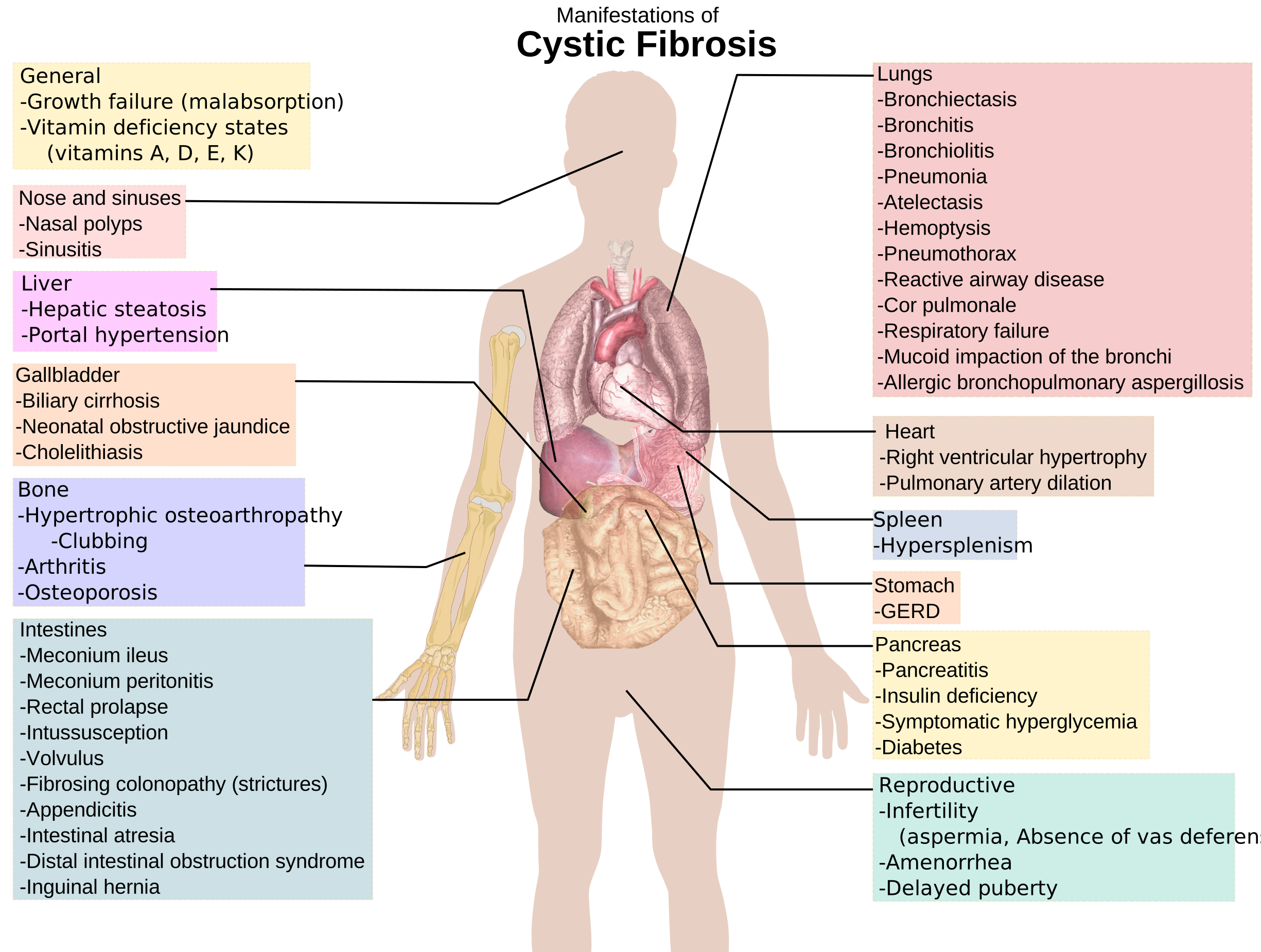
From one channel to a multisystem disease
The clinical picture follows logically from what the channel does. Defective chloride secretion, together with excessive sodium absorption through the epithelial sodium channel, draws water out of the airway surface liquid and ductal secretions. The result is thick, dehydrated, sticky mucus that cannot be cleared.
- In the airway - the periciliary fluid layer collapses, cilia can no longer beat effectively, mucus is retained, and chronic infection and bronchiectasis follow
- In the pancreas - inspissated secretions obstruct the ducts, causing autodigestion, fibrosis and exocrine failure, and later destruction of the islets
- In the biliary tree - focal biliary cirrhosis
- In the vas deferens - obliteration during fetal development, producing congenital bilateral absence of the vas deferens
- In the sweat gland - the defect works the other way round. CFTR here reabsorbs chloride from the duct, so the loss of function produces salty sweat with a high chloride concentration. This is the basis of the diagnostic sweat test.
Presentation
Newborn screening
Most UK cases are now identified through the newborn bloodspot (heel prick) test taken at around day 5, which is why classical late presentations are becoming rare. The screening pathway measures immunoreactive trypsinogen (IRT), which is raised because pancreatic secretions cannot reach the gut. A raised IRT triggers DNA analysis for common CFTR mutations, and positive results are confirmed with a sweat test.
Neonatal presentation
- Meconium ileus - occurring in 10 to 20% of babies with CF and virtually diagnostic of it. Presents in the first day or two with failure to pass meconium, abdominal distension and bilious vomiting, and may be complicated by perforation and meconium peritonitis.
- Prolonged neonatal jaundice
- Intestinal atresia
Presentation in infancy and childhood
- Failure to thrive despite a good appetite - a key discriminator
- Steatorrhoea - pale, bulky, greasy, offensive stools that are difficult to flush
- Recurrent chest infections and a persistent wet cough
- Rectal prolapse
- Nasal polyps - always abnormal in a child and should prompt CF testing
- Salty-tasting skin - frequently noticed by parents on kissing the child, and a genuinely useful historical clue
- Hyponatraemic, hypochloraemic dehydration with metabolic alkalosis (pseudo-Bartter syndrome) in hot weather
Late and atypical presentation
Patients carrying mutations with some residual CFTR function may present in adolescence or adulthood, and are increasingly recognised. Consider CF in an adult with:
- Bronchiectasis, particularly upper lobe, or with Staphylococcus aureus or Pseudomonas in the sputum
- Male infertility with azoospermia
- Recurrent pancreatitis
- Chronic rhinosinusitis with nasal polyps
- Unexplained chronic productive cough with a family history
Diagnosis
The sweat test
The sweat test remains the diagnostic gold standard. Sweating is stimulated by pilocarpine iontophoresis, the sweat is collected, and its chloride concentration is measured.
| Sweat chloride | Interpretation |
|---|---|
| Above 60 mmol/L | Diagnostic of cystic fibrosis in the appropriate clinical context |
| 30 to 59 mmol/L | Intermediate - requires genotyping and further assessment |
| Below 30 mmol/L | CF is unlikely |
False positives occur in adrenal insufficiency, hypothyroidism, malnutrition, glycogen storage disease, nephrogenic diabetes insipidus and eczema. False negatives occur with oedema, poor technique or an inadequate sweat volume, so an inadequate collection must be repeated rather than reported as negative.
Genetic testing
- CFTR genotyping confirms the diagnosis, guides eligibility for modulator therapy, and enables genetic counselling and cascade testing of relatives
- Antenatal testing by chorionic villus sampling or amniocentesis is available where both parents are known carriers, as is preimplantation genetic diagnosis
- Nasal potential difference measurement is a specialist test used where the diagnosis remains equivocal
Respiratory disease
Respiratory disease determines the prognosis in over 90% of patients. Retained secretions permit chronic bacterial infection, which drives neutrophilic inflammation and progressive bronchiectasis - the same vicious cycle described in bronchiectasis, but beginning in early childhood.
The organisms, in the order they appear
| Organism | Significance |
|---|---|
| Staphylococcus aureus | Predominates in infancy and childhood. Many UK centres give long-term prophylactic flucloxacillin for the first few years of life. |
| Haemophilus influenzae | Common in childhood |
| Pseudomonas aeruginosa | Acquired later and eventually colonises most adults. First isolation is a critical moment: aggressive eradication is attempted, because chronic colonisation is associated with faster decline in lung function and worse survival. |
| Burkholderia cepacia complex | Highly transmissible between patients and associated with rapid deterioration (cepacia syndrome). It is a relative or absolute contraindication to lung transplantation in many centres and is the main reason for strict patient segregation. |
| Non-tuberculous mycobacteria | Particularly Mycobacterium abscessus. Difficult to treat and important to exclude before starting long-term azithromycin. |
| Aspergillus fumigatus | Causes allergic bronchopulmonary aspergillosis in 5 to 15% of patients, worsening obstruction and requiring corticosteroids |
Examination findings
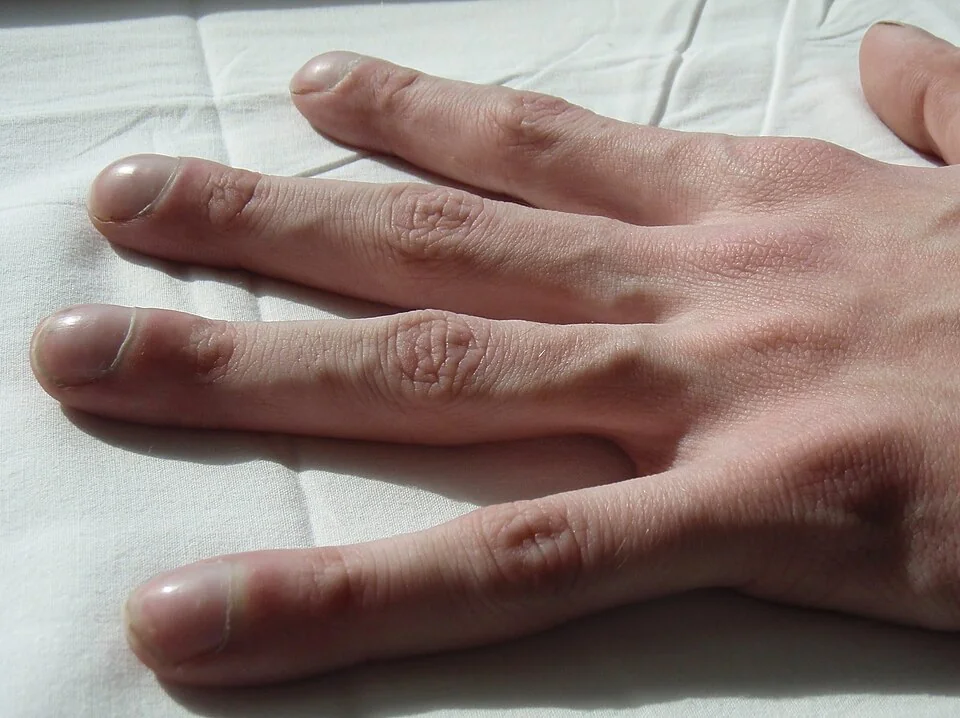
- Finger clubbing - a classical sign, though not universal
- Coarse crackles and wheeze, with hyperinflation
- Reduced BMI and evidence of malnutrition
- Nasal polyps and chronic sinusitis
- Portacath or gastrostomy in longstanding disease
- Signs of cor pulmonale in advanced disease
Non-respiratory manifestations
Gastrointestinal and nutritional
- Exocrine pancreatic insufficiency - in around 85% of patients, causing steatorrhoea, poor weight gain and deficiency of the fat-soluble vitamins A, D, E and K
- Cystic fibrosis-related diabetes - affecting around half of patients by the age of 30, from progressive islet destruction. It behaves differently from both type 1 and type 2 and is treated with insulin; screening with an annual oral glucose tolerance test begins in adolescence.
- Distal intestinal obstruction syndrome (DIOS) - viscid faecal material obstructing the terminal ileum and caecum, presenting with right iliac fossa pain, a palpable mass and vomiting. Treated with oral gastrografin or a bowel cleansing solution, not surgery.
- Liver disease - focal biliary cirrhosis in around a third, progressing to cirrhosis and portal hypertension in 5 to 10%. Ursodeoxycholic acid is used, though the evidence is limited.
- Gallstones and recurrent pancreatitis - the latter particularly in pancreas-sufficient patients
- Gastro-oesophageal reflux, and rectal prolapse in young children
Reproductive
- Congenital bilateral absence of the vas deferens in around 98% of men, causing obstructive azoospermia. Spermatogenesis is normal, so surgical sperm retrieval with intracytoplasmic sperm injection allows biological fatherhood - an important and frequently misunderstood point when counselling.
- Reduced fertility in women - from thickened cervical mucus and the effects of chronic illness on ovulation, but many women with CF conceive and carry successfully. Pregnancy requires specialist multidisciplinary input, since it places substantial demands on lung function and nutrition.
Other systems
- Osteoporosis - from malabsorption of vitamin D and calcium, corticosteroids, chronic inflammation and low BMI
- CF arthropathy and hypertrophic pulmonary osteoarthropathy
- Chronic rhinosinusitis and nasal polyps
- Salt-losing states in hot weather, requiring salt supplementation
- Stress incontinence - very common in women, driven by years of vigorous coughing, and consistently under-reported unless specifically asked about
- Depression and anxiety - screened for routinely at annual review, given the treatment burden
Management
Care is delivered by a specialist multidisciplinary CF centre and includes respiratory physicians, specialist nurses, physiotherapists, dietitians, pharmacists, psychologists and social workers, with annual review of every system.1
Airway management
- Airway clearance physiotherapy at least twice daily, lifelong - the foundation of care, using the active cycle of breathing technique, autogenic drainage or positive expiratory pressure devices
- Nebulised dornase alfa (DNase) - cleaves the neutrophil DNA that makes CF sputum so viscous. Genuinely beneficial in CF, unlike in non-CF bronchiectasis where it causes harm.
- Nebulised hypertonic saline - to rehydrate airway surface liquid, given after a bronchodilator
- Prophylactic flucloxacillin in young children against Staphylococcus aureus
- Pseudomonas eradication at first isolation - oral ciprofloxacin with nebulised colistin, or nebulised tobramycin
- Long-term inhaled antibiotics (colistin, tobramycin or aztreonam) for chronic Pseudomonas colonisation
- Long-term azithromycin - for its anti-inflammatory effect, after excluding non-tuberculous mycobacteria
- Exacerbations treated with two intravenous antibiotics for 14 days, typically an antipseudomonal beta-lactam with an aminoglycoside, often at home via a long-term line
- Bronchodilators, and oxygen or non-invasive ventilation in advanced disease
- Annual influenza, pneumococcal and COVID-19 vaccination
Nutrition
- A high-calorie, high-fat diet - typically 120 to 150% of the normal energy requirement for age. This directly contradicts general dietary advice and is a common source of confusion for patients and non-specialists.
- Pancreatic enzyme replacement therapy (Creon) taken with every meal and snack containing fat, with the dose titrated against stool frequency, consistency and weight gain
- Fat-soluble vitamin supplementation (A, D, E and K), with annual level monitoring
- Salt supplementation in infants and in hot weather
- Gastrostomy feeding where oral intake cannot maintain weight
- Regular monitoring of growth, BMI and bone density
CFTR modulator therapy
Modulators target the defective protein itself rather than its consequences, and represent the most significant advance in the history of CF care.
- Potentiators (ivacaftor) - hold the channel gate open. Effective in class III gating mutations such as G551D.
- Correctors (lumacaftor, tezacaftor, elexacaftor) - help the misfolded protein traffic to the cell membrane, which is what delta-F508 requires
- Elexacaftor-tezacaftor-ivacaftor (Kaftrio) - a triple combination effective in patients with at least one delta-F508 allele, and therefore in the large majority of patients. It produces substantial gains in FEV1, sweat chloride, weight and quality of life, and marked reductions in exacerbations.
- Modulators do not benefit patients with class I mutations producing no protein at all, for whom gene and mRNA therapies remain under investigation
Advanced disease
- Lung transplantation - considered for progressive respiratory failure. Burkholderia cepacia complex infection is a contraindication in many centres.
- Liver transplantation for end-stage CF liver disease
- Palliative and supportive care alongside active treatment
Complications
- Progressive bronchiectasis and respiratory failure - the cause of death in over 90%
- Haemoptysis - including massive haemoptysis requiring bronchial artery embolisation
- Pneumothorax - occurring in around 3 to 4% of adults and often recurrent
- Allergic bronchopulmonary aspergillosis
- Cor pulmonale and pulmonary hypertension
- Cystic fibrosis-related diabetes
- Distal intestinal obstruction syndrome
- Liver cirrhosis and portal hypertension
- Osteoporosis and fragility fractures
- Male infertility
- Gastrointestinal malignancy - a modestly increased risk, particularly colorectal cancer, for which earlier screening is now recommended
- Psychological morbidity and the burden of a treatment regimen that can occupy hours every day
Red flags
Prognosis
The outlook has been transformed within living memory. In the 1960s most children with CF did not reach school age. Today, median predicted survival for a child born with CF in the UK is over 50 years, and the adult population now exceeds the paediatric one.2
The gains came first from newborn screening, specialist centre care, aggressive nutritional management, physiotherapy and Pseudomonas eradication, and more recently from CFTR modulators, whose effect on lung function and exacerbation frequency has been large enough to change transplant referral patterns.
Adverse prognostic factors remain chronic Pseudomonas or Burkholderia colonisation, low BMI, a rapidly declining FEV1, CF-related diabetes, frequent exacerbations and poor adherence to a demanding treatment regimen. As survival lengthens, the clinical emphasis has shifted towards conditions of adult life - diabetes, osteoporosis, malignancy, fertility, employment and mental health - and towards supporting an adult population living with a very substantial daily treatment burden.
References
- NICE NG78. Cystic fibrosis: diagnosis and management. 2017, updated 2023. Available here
- Cystic Fibrosis Trust. UK Cystic Fibrosis Registry annual data report. Available here
- NICE Clinical Knowledge Summaries. Cystic fibrosis. Available here
- NHS England. Newborn blood spot screening programme handbook. Available here
- Middleton PG, Mall MA, Drevinek P et al. Elexacaftor-tezacaftor-ivacaftor for cystic fibrosis with a single Phe508del allele. NEJM. 2019. Available here
- Cystic Fibrosis Trust. Infection prevention and control guidelines. Available here
- BNF. Dornase alfa, pancreatin and ivacaftor - indications and dosing. Available here
- Madhero88, derived from work by Mikael Haggstrom, public domain, via Wikimedia Commons. Available here
- Jerry Nick MD, CC BY 3.0, via Wikimedia Commons. Available here
This article is written for revision and education. It is not clinical guidance and must not be used to make decisions about the care of a patient. Always check current NICE guidance and local protocols.