
Varicella Zoster Virus: Chickenpox and Shingles
Key points
- Varicella zoster virus (VZV): a herpesvirus causing two distinct diseases - chickenpox on primary infection, and shingles when latent virus in a dorsal root or cranial nerve ganglion reactivates.
- Chickenpox: a pruritic vesicular rash appearing in successive crops (lesions at different stages simultaneously), highly infectious from 1-2 days before the rash until all lesions have crusted.
- Chickenpox in pregnancy: maternal infection before 20 weeks risks congenital varicella syndrome; infection around the time of delivery risks severe neonatal varicella - both need urgent specialist input.
- Shingles: a painful vesicular rash strictly confined to a single dermatome, never crossing the midline - the thoracic dermatomes are commonest.
- Ophthalmic zoster: V1 dermatome involvement; a vesicle on the tip of the nose (Hutchinson's sign) predicts a high risk of ocular involvement and needs urgent ophthalmology review.
- Ramsay Hunt syndrome: geniculate ganglion reactivation causing facial nerve palsy, ear pain and vesicles in the ear canal - an important differential for facial weakness alongside Bell's palsy.
- Aciclovir: most effective when started within 72 hours of rash onset - the benefit in a well, immunocompetent child with straightforward chickenpox is limited, whereas it is clearly indicated in shingles, immunosuppression, pregnancy and neonatal disease.
Introduction
Varicella zoster virus (VZV) is a herpesvirus responsible for two clinically distinct illnesses. Primary infection causes chickenpox (varicella), typically in childhood, after which the virus establishes lifelong latency in the dorsal root and cranial nerve ganglia - the same pattern of latency seen with herpes simplex virus. Reactivation of this latent virus, usually decades later and often with declining cell-mediated immunity, causes shingles (herpes zoster), a localised, dermatomal disease rather than the widespread rash of the primary infection.
Chickenpox (varicella)
Chickenpox is highly contagious, spread by respiratory droplets and by direct contact with vesicle fluid. Patients are infectious from 1-2 days before the rash appears until all lesions have crusted over, usually around 5 days after onset. The incubation period is 10-21 days, most commonly 14-16.
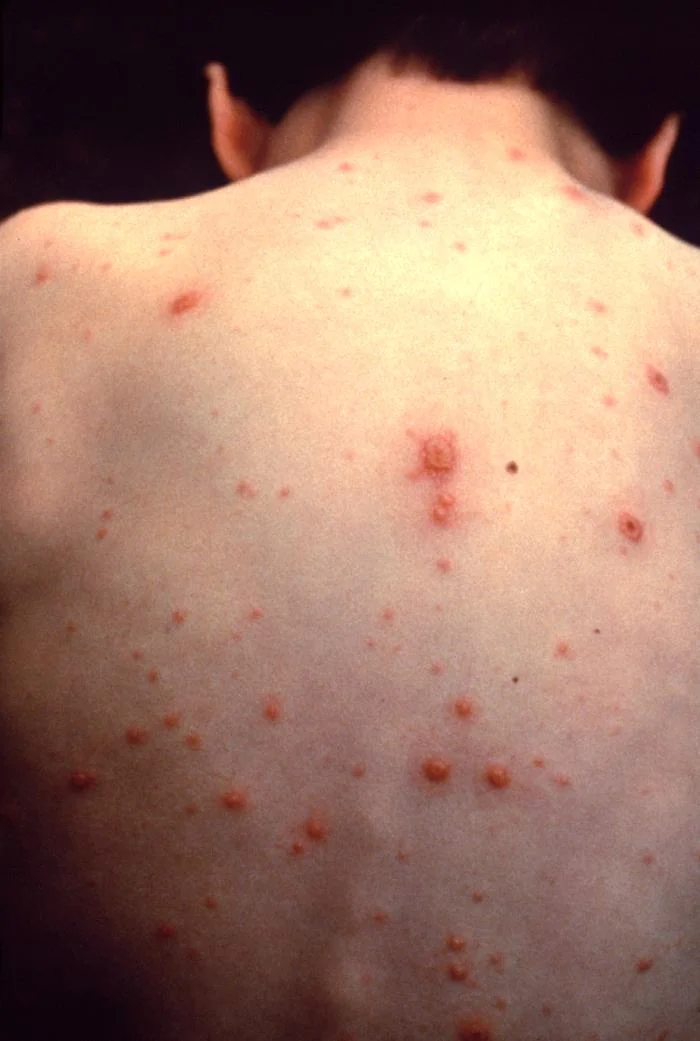
- A brief prodrome of fever and malaise, followed by a pruritic vesicular rash
- Lesions in successive crops at different stages simultaneously - macule, papule, vesicle, pustule and crust may all be visible at once, classically described as "dew drops on a rose petal"
- Centripetal distribution - denser on the trunk and face than the limbs
- Can also involve mucous membranes
Complications
- Secondary bacterial skin infection, from staphylococci or streptococci, the commonest complication in otherwise healthy children
- Pneumonia - more common and more severe in adults, smokers, pregnant women and the immunocompromised than in children
- Cerebellar ataxia - relatively benign and self-limiting, more often seen in children
- Encephalitis - rare, but more serious
- Reye's syndrome if aspirin is given to a child with a viral illness including chickenpox - aspirin is avoided in under-16s outside specific indications
- Congenital varicella syndrome - if maternal infection occurs before 20 weeks' gestation, causing limb hypoplasia, cutaneous scarring, eye defects and neurological abnormalities in the fetus
- Severe neonatal varicella - the highest-risk scenario is maternal infection from 5 days before to 2 days after delivery, since the neonate is exposed to a high viral load without the benefit of passively transferred maternal antibody
Management
- Supportive care for most healthy children - analgesia/antipyretics, antihistamines or calamine lotion for itch, and keeping nails short to reduce scratching, secondary infection and scarring
- Avoid aspirin, given the risk of Reye's syndrome
- Aciclovir - considered for adults and adolescents over 14 (who tend to have more severe disease) presenting within 24 hours of rash onset, for immunocompromised patients, for pregnant women, and for secondary cases within a household (which are often more severe due to a higher initial viral inoculum); IV aciclovir is used for severe disease, pneumonia, or significant immunosuppression
- School/nursery exclusion until all lesions have crusted over, usually around 5 days after the rash began
Exposure in pregnancy
A pregnant woman with a significant chickenpox exposure and no clear history of prior infection should have her immunity checked (VZV IgG), since a large majority of adults are already immune even without a clear recollection of having had chickenpox. Non-immune pregnant contacts are offered post-exposure prophylaxis - varicella zoster immunoglobulin (VZIG) or aciclovir, depending on gestation, timing of exposure and current guidance - given the risks of congenital and severe maternal varicella described above.
Vaccination
A live attenuated varicella vaccine exists but is not part of the routine UK childhood immunisation schedule (unlike, for example, the US schedule) - a specific point of UK practice worth knowing explicitly. It is offered in the UK to non-immune healthcare workers and to non-immune household contacts of immunosuppressed individuals, to reduce onward transmission risk.
Shingles (herpes zoster)
Shingles results from reactivation of latent VZV within a single dorsal root or cranial nerve ganglion, most often in older adults or the immunosuppressed as cell-mediated immunity to the virus declines.
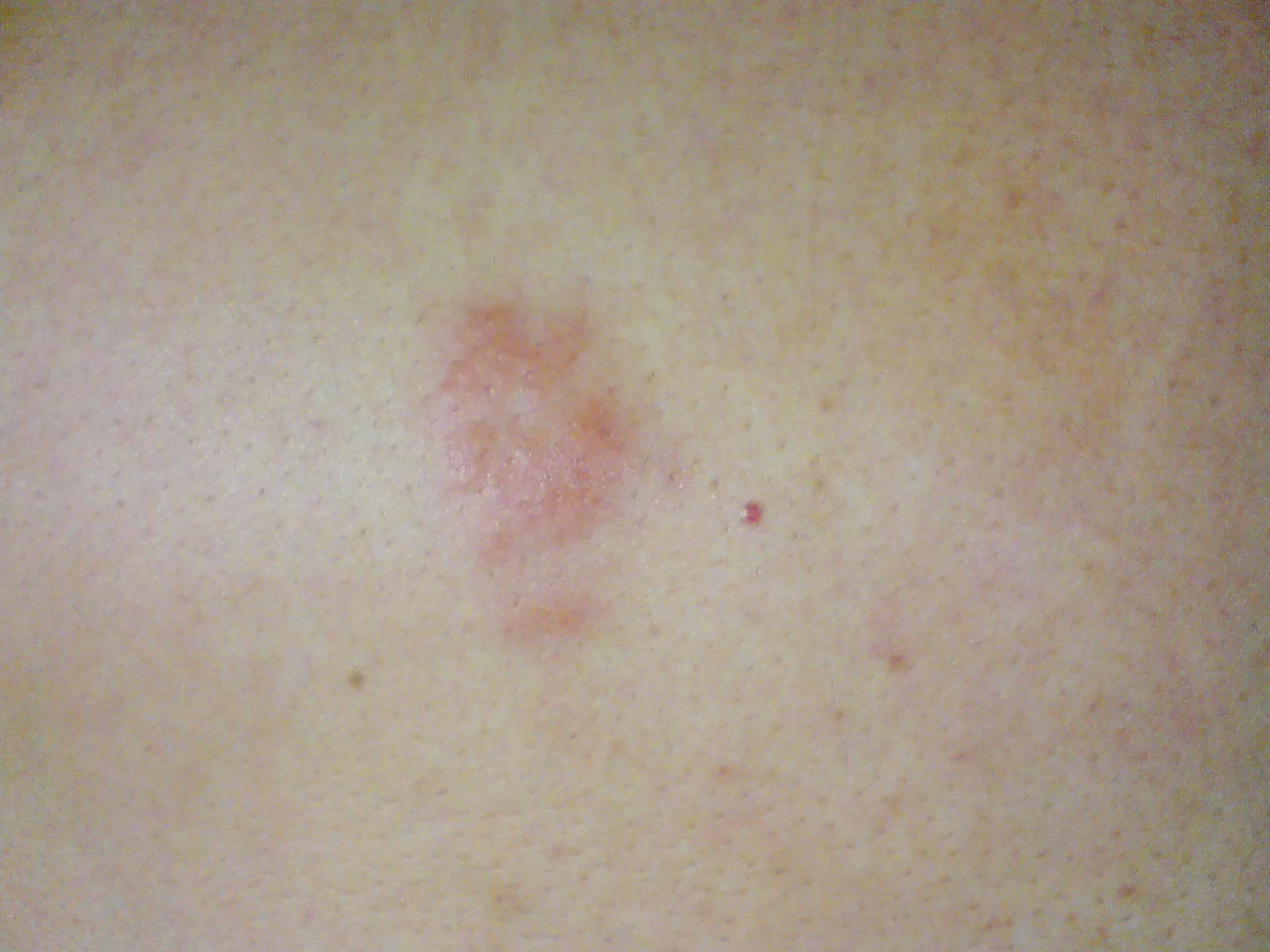
- Prodromal pain, tingling or paraesthesia in a dermatomal distribution, which can precede the rash by several days
- A painful vesicular rash confined strictly to a single dermatome, never crossing the midline - the thoracic dermatomes are commonest
- Multiple dermatomes or disseminated disease can occur in significant immunosuppression
Ophthalmic zoster (herpes zoster ophthalmicus)
Reactivation in the V1 (ophthalmic) branch of the trigeminal nerve risks serious ocular complications - keratitis, uveitis and, potentially, vision loss. Hutchinson's sign - vesicles on the tip or side of the nose - indicates involvement of the nasociliary nerve, which also supplies the globe, and predicts a substantially higher risk of eye involvement. Any suspected ophthalmic zoster needs urgent ophthalmology review.
Ramsay Hunt syndrome (herpes zoster oticus)
Reactivation within the geniculate ganglion causes a triad of facial nerve (lower motor neurone) palsy, ear pain, and vesicles in the ear canal or on the pinna, sometimes with hearing loss or vertigo if the vestibulocochlear nerve is also affected. It is an important differential for facial weakness alongside Bell's palsy, and is treated with aciclovir plus corticosteroids, ideally started early, since delayed treatment is associated with a worse chance of facial nerve recovery than in Bell's palsy alone.
Post-herpetic neuralgia
Pain persisting for more than 3 months after the rash has resolved, more common in older patients and with more severe initial disease. It can be significantly debilitating and is managed with neuropathic pain agents such as amitriptyline, gabapentin or pregabalin.
Management
Aciclovir (or valaciclovir/famciclovir), ideally started within 72 hours of rash onset, reduces the severity and duration of the acute illness and lowers the risk of post-herpetic neuralgia, particularly when given early. It is recommended for patients over 50, those with moderate-to-severe pain or rash, immunosuppressed patients, and anyone with ophthalmic, Ramsay Hunt, or other non-truncal involvement. Analgesia is an essential part of management given how painful the acute illness can be.
Vaccination
A shingles vaccine (currently a recombinant subunit vaccine, Shingrix, having replaced the older live-attenuated Zostravax in the UK programme) is offered to older adults as part of the UK vaccination schedule, and to eligible immunosuppressed patients, reducing both the incidence of shingles and the risk of post-herpetic neuralgia.
Differential diagnosis
- Hand, foot and mouth disease - a different vesicular illness (usually coxsackievirus), affecting a more specific distribution
- Impetigo - crusted, honey-coloured lesions without the vesicular evolution of chickenpox
- Disseminated herpes simplex - can mimic widespread varicella, particularly in the immunosuppressed, and may need PCR to distinguish
- Contact dermatitis or insect bites - can mimic a localised vesicular eruption but lack the dermatomal pattern and neuropathic pain of shingles
- Bell's palsy - the key differential for facial weakness when ear vesicles and pain suggest Ramsay Hunt syndrome instead
Investigations
Both chickenpox and shingles are usually diagnosed clinically. PCR of vesicle fluid can confirm the diagnosis where it is uncertain, particularly in atypical presentations or in immunosuppressed patients, and VZV IgG serology is used to assess immune status, for example in a pregnant woman with an uncertain history following a significant exposure.
Red flags
Prognosis
Chickenpox in a healthy child is generally mild and self-limiting, with an excellent prognosis; complications are concentrated in adults, pregnant women, neonates and the immunosuppressed. Shingles usually resolves over 2-4 weeks with treatment, though post-herpetic neuralgia can persist for months or longer in a minority, particularly older patients, and ophthalmic or Ramsay Hunt involvement carries specific risks - to vision and to facial nerve function respectively - that make prompt recognition and treatment particularly important in those presentations.
References
- NICE Clinical Knowledge Summaries. Chickenpox. Available here
- NICE Clinical Knowledge Summaries. Shingles. Available here
- Royal College of Obstetricians and Gynaecologists. Chickenpox in pregnancy. Available here
- Green Book. Varicella - chapter 34, and Shingles (herpes zoster) - chapter 28a. UK Health Security Agency immunisation guidance. Available here
- UK Health Security Agency. Shingles vaccination programme. Available here
This article is written for revision and education. It is not clinical guidance and must not be used to make decisions about the care of a patient. Always check current NICE guidance and local protocols.