
Hospital Acquired Infection
Key points
- Definition: an infection not present or incubating at admission, developing 48 hours or more after admission, or within 48 hours of discharge.
- The big four device-related infections: catheter-associated UTI (CAUTI), central line-associated bloodstream infection (CLABSI), ventilator-associated pneumonia (VAP), and surgical site infection.
- The single most modifiable risk factor: an invasive device left in place longer than necessary - daily review of whether every catheter and line is still needed is the highest-yield prevention measure.
- Key resistant organisms: MRSA, C. difficile, VRE, ESBL-producing and carbapenemase-producing Gram-negative organisms - each drives specific isolation and screening policies.
- Hand hygiene: the WHO 'five moments' framework - before touching a patient, before a clean/aseptic procedure, after exposure to body fluid, after touching a patient, and after touching a patient's surroundings.
- Mandatory surveillance: MRSA and MSSA bacteraemia, E. coli, Klebsiella and Pseudomonas bacteraemia, and C. difficile infection are nationally reportable to UKHSA in the UK.
- Ventilator care bundle: head-of-bed elevation, daily sedation holds, oral chlorhexidine care and subglottic secretion drainage together reduce VAP incidence.
Introduction
A hospital-acquired (nosocomial) infection is one that was neither present nor incubating at the time of admission, generally defined as developing 48 hours or more after admission, or within 48 hours of discharge (surgical site infections are defined slightly differently, up to 30 days after surgery, or up to a year with an implant, and are covered in their own article). This timing threshold matters practically: an infection presenting within the first 48 hours is treated as community-acquired for the purposes of empirical antibiotic choice, while one arising later prompts consideration of hospital-specific organisms and resistance patterns.
Hospital-acquired infection is examined less as a single disease and more as a system of risk factors, prevention bundles and surveillance duties - understanding the principles here applies across UTIs, pneumonia, bloodstream infection and C. difficile alike, all of which have their own dedicated articles for the clinical detail of managing each condition.
The major categories of hospital-acquired infection
| Type | Key driver | Typical organisms |
|---|---|---|
| Catheter-associated UTI (CAUTI) | Duration of urinary catheterisation | E. coli and other Gram-negatives, Enterococcus, Candida |
| Central line-associated bloodstream infection (CLABSI) | Duration and care of central venous access | Coagulase-negative staphylococci, Staphylococcus aureus, Candida |
| Ventilator-associated pneumonia (VAP) | Duration of mechanical ventilation, typically defined as onset 48-72 hours after intubation | Pseudomonas aeruginosa, Staphylococcus aureus (including MRSA), other Gram-negatives |
| Surgical site infection (SSI) | Operative technique, wound classification, perioperative care - covered in its own article | Staphylococcus aureus, skin and bowel flora depending on the procedure |
| Clostridioides difficile infection | Antibiotic exposure disrupting normal gut flora - covered in its own article | Clostridioides difficile |
Key resistant organisms
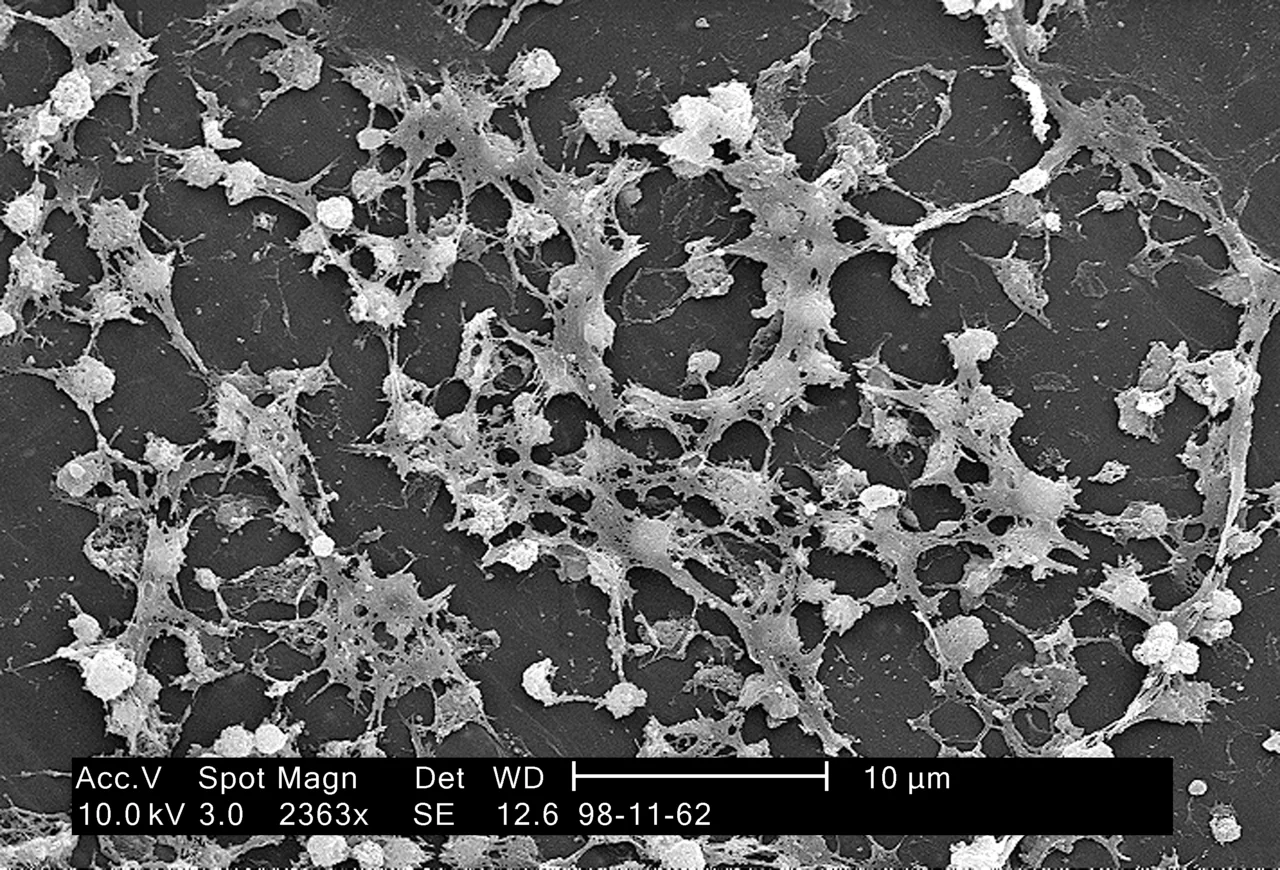
- MRSA (meticillin-resistant Staphylococcus aureus) - a leading cause of line and surgical site infection; nasal screening and decolonisation are used to reduce risk before elective surgery
- Clostridioides difficile - antibiotic-associated diarrhoea and colitis, covered in its own article
- Vancomycin-resistant enterococci (VRE)
- ESBL-producing Enterobacteriaceae - Gram-negative organisms (commonly E. coli, Klebsiella) resistant to most penicillins and cephalosporins via extended-spectrum beta-lactamase production
- Carbapenemase-producing Enterobacteriaceae (CPE) - resistant even to carbapenems, an increasingly important and difficult-to-treat threat requiring specific screening and isolation policies in many UK trusts
- Candida species, including the emerging multidrug-resistant Candida auris - covered in the candidiasis article
Risk factors
- Prolonged hospital or ICU stay
- Invasive devices - urinary catheters, central and peripheral lines, mechanical ventilation
- Recent or prolonged broad-spectrum antibiotic use
- Surgery, especially prolonged or contaminated procedures
- Immunosuppression and significant comorbidity
- Older age
- Overcrowding and understaffing
- Poor hand hygiene compliance among staff and visitors
Prevention
Prevention is built on a small number of high-yield, evidence-based measures repeated across every ward, which is exactly why they are heavily examined - they are simple to state but easy to underweight in practice.
Hand hygiene
The WHO "five moments" framework structures when hand hygiene must happen: before touching a patient, before a clean or aseptic procedure, after exposure to body fluid, after touching a patient, and after touching a patient's immediate surroundings. It remains the single most effective and cheapest infection control measure available.
Device stewardship
- Aseptic non-touch technique (ANTT) for line insertion, with chlorhexidine skin preparation
- Closed urinary drainage systems, and avoiding catheterisation where an alternative (for example intermittent catheterisation, or simply not catheterising) is appropriate
- Ventilator care bundle - head-of-bed elevation to 30-45°, daily sedation holds and assessment of extubation readiness, oral hygiene with chlorhexidine mouth care, and subglottic secretion drainage, together reducing VAP incidence
Screening and isolation
- MRSA screening (nasal swab, and other sites as indicated) on admission for high-risk patients and before elective surgery, with decolonisation (chlorhexidine body wash, nasal mupirocin) if positive
- Isolation or cohorting of patients colonised or infected with resistant organisms, in a side room where possible, with appropriate contact, droplet or airborne precautions depending on the organism
- Environmental cleaning and a bare-below-the-elbows policy for clinical staff
Antimicrobial stewardship
Judicious, narrow-spectrum, correctly-durationed antibiotic prescribing reduces both the risk of C. difficile infection and the selective pressure that drives resistant organism emergence - covered in full in its own article, but inseparable in practice from hospital-acquired infection prevention as a whole.
Vaccination
Staff influenza vaccination reduces nosocomial transmission of influenza to vulnerable inpatients, and is promoted annually across the NHS for this reason.
Investigations and management
Investigation and treatment follow the principles set out for the specific infection site or organism (urinary tract infection, pneumonia, sepsis, C. difficile colitis and candidiasis each have their own detailed articles). Two principles apply across all of them:
- Source control - remove or replace the implicated device wherever possible; antibiotics alone rarely clear a device-associated infection because of biofilm formation on the device surface
- Escalate promptly to microbiology and infection control for resistant organisms, unexplained clusters of infection, or any suspected outbreak, since these require expertise and resources beyond routine ward-based management
Outbreak management
A cluster of linked cases (for example, several patients on one bay with the same resistant organism, or a norovirus outbreak) triggers a structured response: case identification, patient isolation or cohorting, enhanced environmental cleaning, screening of contacts, closing the affected bay or ward to new admissions if necessary, and a root cause analysis once the outbreak is controlled.
Mandatory surveillance
The UK operates mandatory national surveillance for specific hospital-acquired infections, reported to UKHSA, reflecting their public health significance and use as a quality indicator for individual trusts.1
- MRSA bloodstream infection
- MSSA (meticillin-sensitive Staphylococcus aureus) bloodstream infection
- E. coli bacteraemia
- Klebsiella species bacteraemia
- Pseudomonas aeruginosa bacteraemia
- Clostridioides difficile infection
Every case within these categories is reported and reviewed (often via a formal post-infection review), driving both local quality improvement and national trend monitoring.
Complications
- Sepsis and septic shock
- Prolonged hospital stay and delayed recovery
- Increased mortality, independent of the original reason for admission
- Onward selection and spread of antimicrobial resistance
- Significant additional cost and resource burden to the healthcare system
Red flags
Prognosis
Outcomes depend heavily on the infecting organism, its resistance profile, and the patient's underlying condition, but hospital-acquired infection consistently and independently worsens outcomes compared with patients who avoid it during an equivalent admission. The encouraging counterpoint is that a large proportion is genuinely preventable: consistent hand hygiene, prompt device removal, and disciplined antimicrobial stewardship have all been shown to measurably reduce rates, which is why these unglamorous, repetitive practices remain such a heavily tested and heavily emphasised part of everyday clinical practice.
References
- UK Health Security Agency. Healthcare associated infections (HCAI): guidance, data and analysis. Available here
- NICE QS61. Infection prevention and control quality standard. Available here
- World Health Organization. WHO Guidelines on Hand Hygiene in Health Care. Available here
- NICE NG125. Healthcare-associated infections: prevention and control in primary and community care. Available here
- Public Health England / UKHSA. Surveillance of surgical site infections and other device-related infections. Available here
This article is written for revision and education. It is not clinical guidance and must not be used to make decisions about the care of a patient. Always check current NICE guidance and local protocols.